





















Financial abuse is all around us but elderly people are more at risk, and the reason is very sad …
We don’t like to think about getting older, but it’s a fact of life. Unfortunately, it’s also when we’re most vulnerable to financial abuse. Elder financial abuse is when an older person, often lonely, frail or suffering from cognitive decline, is manipulated or tricked into giving away their money
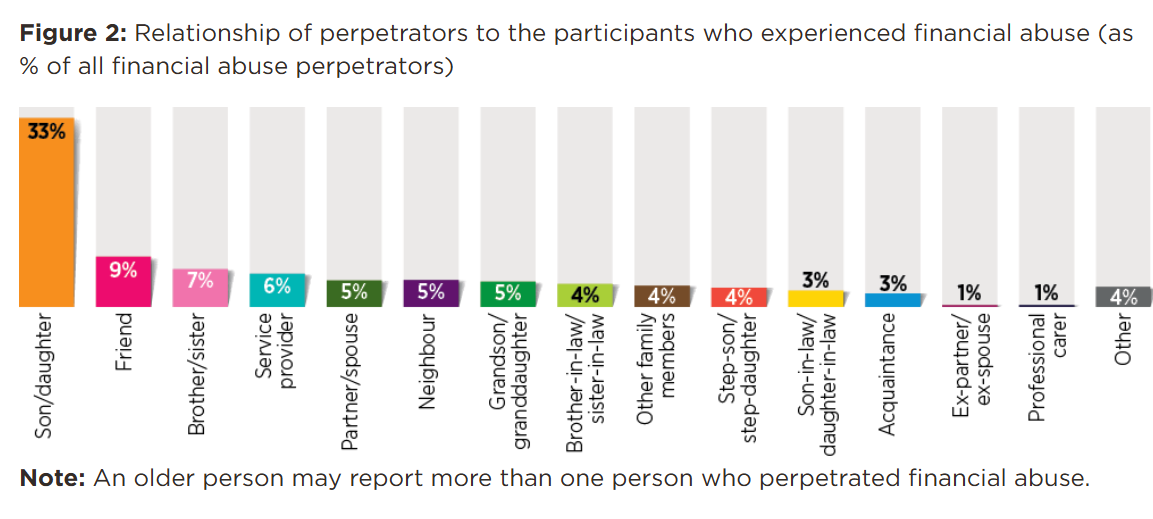
As if this isn’t bad enough, there is also this fact: The main perpetrators are the victim’s children.
Now, I’m not saying you should be suspicious of your kids, most will provide love and support as you age. But it’s always smart to safeguard your money – not just for you, but for your whole family. I’ve heard too many stories of siblings and relatives fighting over a parent’s money being misused for personal gain when they are old.
The stats
The numbers back up the stories. The National Elder Abuse Prevalence Study found that around 2 per cent of people aged 65 and over experienced financial abuse in the past year. Notably, four in 10 abusers were family members. Children were responsible for a third of the abuse, with sons twice as likely as daughters to commit it. Grandchildren made up 5 per cent, and 4 per cent of cases involved stepchildren.
Similarly, in Queensland, 65 per cent of the 4,458 calls to the Elder Abuse Helpline in the last financial year involved financial abuse. The culprits? The victim’s own kids.
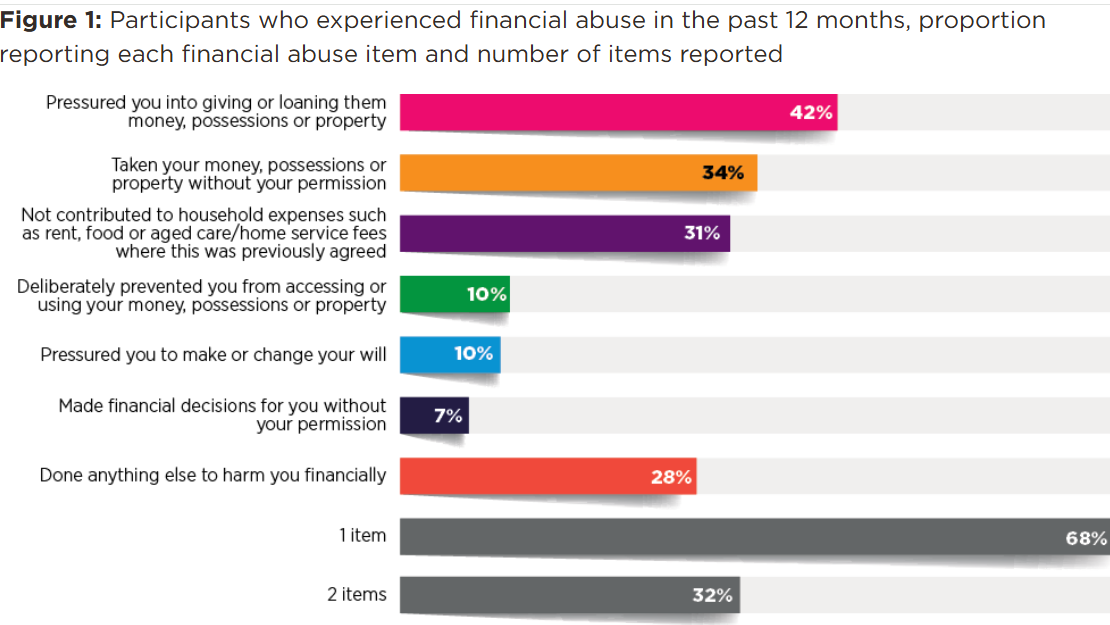
Take these hypothetical scenarios involving elderly parents and their family members and you can see why this might happen:
- A mum lets her son access her bank accounts to “help with finances”, but he starts using the money for himself, paying off his debts, and living off it without her knowledge. When she confronts him, he manipulates her into feeling guilty for not trusting him.
- A man with dementia is pressured by his daughter and son-in-law to sign over his house. They claim it’s for his benefit and they will sell it and use the money to buy a bigger house which he can live in with them so they can look after him. When the time comes, though, he’s put in a care home and has lost his property.
- A grandchild who has serious financial troubles his grandfather doesn’t know about, asks his grandpa for a large sum of money as a “loan”. He promises to pay it back. He doesn’t. When the other cousins ask him when he’ll pay it back, he lies and tells them the money was a gift. The grandfather later dies before the loan has been repaid.
How to protect your money from financial elder abuse
To safeguard YOUR money, here are some steps to take today:
- Secure your cards: Keep credit and bank cards in a safe spot. Never share your PIN or passwords: Keep them to yourself.
- Sort your finances: Set up direct debits and pre-authorised payments. Be cautious about granting anyone, even family, open access to your accounts.
- Consult those you trust: Discuss financial requests, like loans or gifts, with someone you trust before agreeing.
- Stay scam-aware: Educate yourself on common scams, especially those targeting older people. Be cautious of unsolicited advice, emails, or texts. You can stay updated on scams via ScamWatch.
- Set up a Power of Attorney: Choose someone you trust to make decisions on your behalf. An ‘Enduring Power of Attorney’ is valid even if you become incapacitated. It’s a vital planning tool as we age.
- Have a will: A will outlines how your assets will be distributed after death and names an executor to carry out your wishes. It’s essential for avoiding family disputes and ensuring your plans are clear. Estate planning can also include trusts, powers of attorney, and healthcare directives.
Look our for these red flags
Lastly, be aware of the signs of financial abuse. These include:
- Missing funds from your accounts.
- Unexplained charges or withdrawals.
- Manipulation to give or loan money. Important documents go missing or are altered.
- Sudden changes in your financial situation, like not having enough money to pay for things, which you know you should have.
- Pressure to sign documents you don’t understand. New ‘friends’ or people you hire who show excessive interest in your finances.
By being aware of elder abuse and how it can happen, you can take steps to protect your finances and the risk of financial abuse.