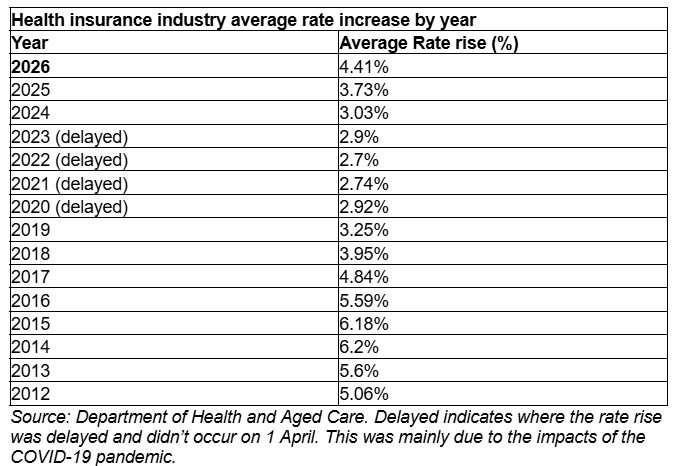




















Millions of Australians are set to pay hundreds more each year for their private health insurance, after the Federal Government confirmed the largest round of premium increases since 2017.
From 1 April, private health insurance premiums will rise by an industry average of 4.41 per cent.
The average increase has come in well above the rate of inflation, as funds grapple with rising treatment costs and industry pressures.
BUT – and this is a big but – this magic 4.41 per cent figure is the average increase. Not all private health insurance funds are imposing the same premium hike. So it pays to check what your fund is doing and, if it’s lifting premiums above the average, shop around for a better deal.
It pays to compare
For example, the team at Compare the Market tells me AIA has confirmed the largest average increase at 5.98 per cent, while GMHBA recorded the smallest average rise, at just 1.98 per cent. That’s a significant difference.
When your premium update hits your inbox, run a comparison. Check and see how you’ll really be affected, then use the average as a benchmark to see if you’re getting a rough deal. If your fund’s increase is above average, it may be time to shop around for better value.
Aussies who stay loyal to their health insurer may be paying for the privilege, according to Compare the Market’s Household Budget Barometer. Survey respondents who had been with the same insurer for more than a decade were paying, on average, 29 per cent more in premiums than less than a year ago.
The message to consumers facing pricing pain is pretty clear: switch – don’t ditch – your cover.
If private health cover is important to you, it’s worth shopping around for a better deal. Remember, you don’t need to re-serve any waiting periods you’ve already completed if you switch to the same level of cover – or a lower one.
With public waitlists stretching to months for some elective surgeries, private health cover can be life-changing if it means being treated sooner.
See whether you can maintain the same level of cover with a different provider at a lower price, or if you can lock in cheaper premiums by getting rid of cover you don’t need.
Tips for tackling health insurance hikes
- Lock in a cheap rate early. If your own personal cash flow allows it, you can effectively turn back time on the rate rise by paying your annual premium before changes kick in on 1 April.
- Look for special offers. Many insurers roll out perks and incentives to attract new members. These can include waived waiting periods, bonus coverage, or even free months of insurance.
- If you don’t use it, lose it. Top-tier policies come with plenty of benefits, but they also come with a hefty price tag. If your health needs have changed, consider whether a lower level of cover provides what you need without unnecessary costs.
- Don’t fear the waiting period. If you change insurers, your new provider will honour waiting periods you’ve already served. However, you’ll need to wait for any new or upgraded benefits.