



















If you’re one of the lucky Australians with a holiday house, you may have enjoyed a rejuvenating break at your “home away from home” these holidays. But while you were soaking up the sun and making memories, the Australian Tax Office wasn’t on holiday.
Not at all.
This year, property owners like you are firmly on their radar. Here’s why – but also, what you can do to make sure your holiday house stays a joy, not a headache.
Holiday home or leisure facility?
As you would know, owning multiple dwellings comes with added tax responsibilities. When it comes to holiday residences though, these are getting tighter.
The ATO is proposing that from 1 July certain holiday dwellings should be treated as ‘leisure facilities,’ preventing owners from deducting interest, rates or maintenance, unless the home is mainly rented to generate income.
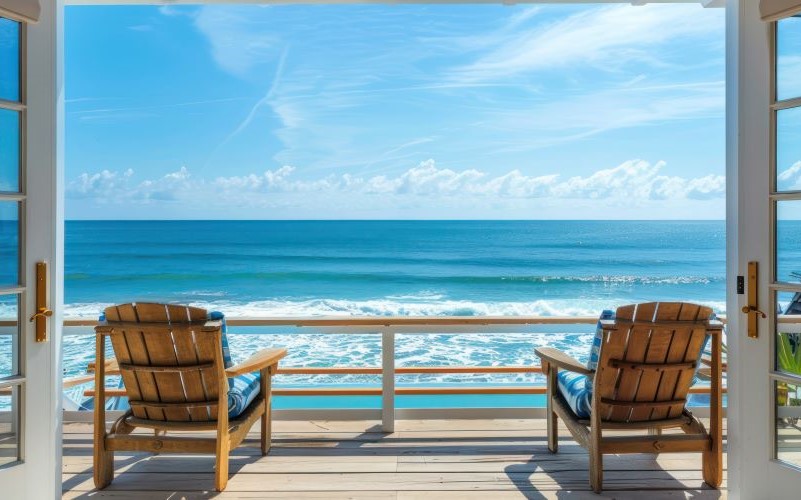
So next time you sit on the deck of your holiday house with a gin and tonic, remember holiday homes in popular seasonal areas such as ski lodges or beach houses – which are not available for rent throughout peak seasons – will trigger the ATO’s attention, and may result in the denial of deductions.
The difference is whether your property is “mainly” for earning income, or mainly for enjoyment by you and yours -and therefore not really available for rent.
Other red flags that will generate ATO interest may include:
- Limited attempts to rent out the property.
- Parts of the property being inaccessible for use by guests. Pricing the property well above market rate to drive interest away from the property.
- Renting the property to family or friends significantly below market rate.
Why is your holiday home in the ATO spotlight?
Let me be clear, the ATO isn’t trying to punish holiday home owners you are absolutely able to enjoy a home away from home and generate income by letting it out to other happy holiday makers.
The problem arises when property owners have underreported income and made incorrect tax claims.
For instance, property owners who have failed to declare rental income, misunderstand capital gains tax rules, or claimed inappropriate deductions have put this property class under the ATO’s microscope .
And with better data tools and property record-keeping, the ATO can now more easily spot non-compliance.
To check you are doing the right thing as far as your income-earning holiday home and tax is concerned, here’s some questions to ask yourself:
Holiday house tax checklist
Is it genuinely available for rent? – How often is my holiday property actually available for guests?
Is it open during peak season? – Am I really making it available when demand is highest, or am I blocking it out for my own use?
How much am I using it personally? – Have I kept my own use (and family/friends’ stays) to a within reason, especially during peak periods to be able to claim as income?
Do I have the right records? – Can I back up my claims with solid evidence like ads, booking calendars, rental agreements, and proof I charge market-rate rent?
Is the rent realistic? – Am I charging a price that matches the market — not so high that no one books, and not so low that it looks like it’s not genuinely for rent?
Do I understand how personal use affects deductions? – Can I clearly show which periods are genuinely rented at market rates and which ones are for personal use?
Do I need expert advice? – Have I checked in with my accountant or a tax professional to make sure I’m on the right track for my situation?
The bottom line:
Make sure your property is truly available for rent, especially during peak season when holiday homes are in demand. Advertise widely, set a fair market rent, and avoid rules that can deter guests – like “no children,” “no pets,” or requiring references for short stays.
And, importantly, keep thorough records. Tax Office officials have always told me over the years that they win most disputes against taxpayers not on the merit of the case but because taxpayers don’t keep good enough records to substantiate their argument.
Be across your property tax obligations and your holiday home will remain a source of relaxation, not stress.