




















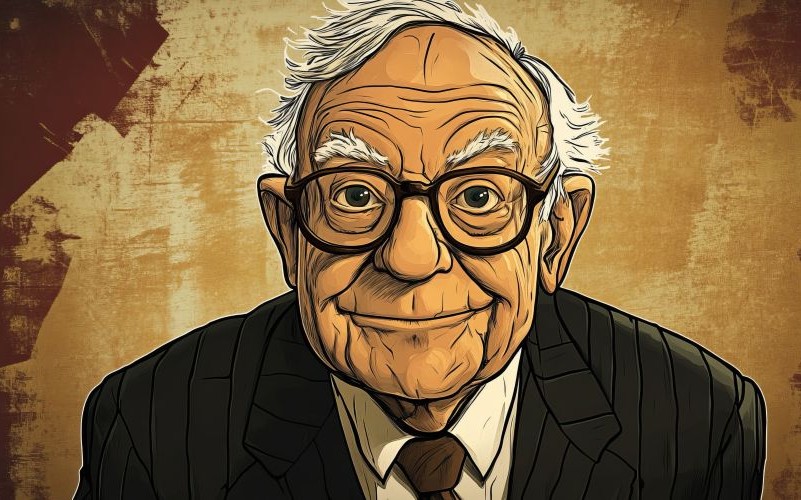
Arguably the world’s greatest investor, the ‘Oracle of Omaha’ Warren Buffett announced he’ll retire as CEO of Berkshire Hathaway at the end of the year. What a legend. Here’s a few things we can all learn from him.
Now 94, Buffett took over the then-textile company in 1965 and transformed it into one of the world’s most successful investment conglomerates.
As you probably know, I’m a huge Buffett fan and love his investment philosophies and strategies. I’ve often written about the importance of adopting investment mentors and learning from them – be it a savvy relative, local fund manager, or billionaire Warren Buffett.
Gaining insights from the experts is a key to good investing.
Over one Christmas break, I devoured Snowball, the 900-page biography of Buffett. From his open and very close relationships with his wife and mistress, to his obsession with Coca-Cola and burgers, he’s certainly one of a kind.
From an investment point of view, Buffett built his empire by digging through annual reports and investment journals for what he called “cigar butts” – boring, unfashionable companies valued well below their assets and cash.
Contrary to the myth, Buffett has made his share of mistakes, often due to backing the wrong people. His greatest successes, however, came from companies with strong CEOs who wanted to work with him.
I hadn’t realised how influential Buffett was on Bill Gates, despite his initial reluctance to invest in tech.
Throughout his career Buffett has loved to teach others about investing. His reports and annual meetings for Berkshire Hathaway shareholders are legendary.
Buffett also regularly invites a group of business students to spend a day with him where he talks about investing. His words of wisdom to these students are worth bottling.
Here are a few of Buffett’s most valuable insights:
On models and spreadsheets
Buffett distrusts complex financial models and sees danger in relying too much on them. At Salomon Brothers, he observed:
“The worst thing you can have is models and spreadsheets.”
Instead, he emphasises understanding the leadership:
“Reading the DNA of the chief executive officer is key. They are the chief risk officer for the company.”
On reading the market
“I always say you should get greedy when others are fearful and fearful when others are greedy,” says Buffett.
It’s a simple but profound piece of advice – and is especially relevant during turbulent market cycles.
On playing the long game
Buffett doesn’t believe in reacting to headlines or economic forecasts:
“Even if you could predict the economy, you wouldn’t necessarily know what was going to happen to the stockmarket.”
He’s long advocated buying a cross-section of strong companies across a range of industries and giving them time to grow.
On ‘efficient market theory’
Buffett has little faith in the academic theory that all available information is instantly priced into the market – the so-called ‘’efficient market theory’’ (which everyone learns when studying economics and investing).
Instead he thinks the markets have become even more irrational and emotionally-lead:
“When people panic, when fear takes over, or when greed takes over, people react just as irrationally as they have in the past”.
On index funds
For most people, Buffett recommends avoiding stock picking altogether:
“Most people shouldn’t be active investors.”
Instead, he suggests low-fee index funds and focusing on avoiding bad investments rather than trying to find the next big winner.
But what I really love about him is that he’s worth billions and has basically given most of it to Bill Gates’s charitable foundation. He reckons Gates will do a better job of using it wisely than him.
In the end his investment decisions are based around five fairly fundamental questions:
1. Do I understand the business?
Think back to your biggest sharemarket mistakes and how many times have you failed to answer this very basic question.
Buffett only invests in companies he fully understands.
2. Is it run by people I admire and trust?
A business is made up of people, and Buffett places huge value on trustworthy leadership. He looks for companies with strong boards and executive teams.
3. Does it have a sustainable competitive advantage?
Buffett seeks out companies with a standout edge – whether it’s a unique product, brand, or delivery model – basically something which gives them lasting superiority over their competitors.
4. Is it the right price?
We’re talking about money here. Even great companies can be bad investments if their stock is overpriced. Buffett will identify a good stock and then patiently wait until its price realigns to a sensible level.
“The best company in the country can be a bad investment if its price is unrealistically high,” he says.
5. Answered ‘yes’ to all the above?
Then do the deal.
For Buffett, investing is about quality, patience, and diversification. Stick to great companies, understand them well, and wait for opportune time to invest.
In a world of hype and confusion, Buffett’s calm and considered approach to the sharemarket is refreshing. His investing wisdom will continue to influence, even after he retires.