




















I don’t spend a lot of time banging on about cryptocurrency. It’s volatile, it’s hyped, it’s not a core wealth-builder for most people. Plus, crypto scammers have been stealing my image and making up fictitious comments supposedly from me endorsing investment in crypto currencies.
So let me be clear, I do not invest in crypto currencies or recommend anyone do so. Why? I put every investment through the filter of the world’s greatest investor Warren Buffett and ask:
Do I understand the business?
Bitcoins were invented by a mysterious computer genius, and are created or “mined” by super-computers which solve complex algorithms. They are then held in digital wallets and traded on markets using “blockchain” technology.
I have no idea what that means.
Is it run by people I admire and trust?
Mmm … no idea.
Cryptocurrencies started out on the “dark web” as the favoured currency of drug cartels and illegal arms dealers who wanted to hide their money.
Everything is basically anonymous. Bitcoin miners and investors are completely anonymous. Although there are now platforms where you can trade the more popular currencies, like CoinSpot, Etoro and Swyftx.
Does it have a sustainable competitive advantage?
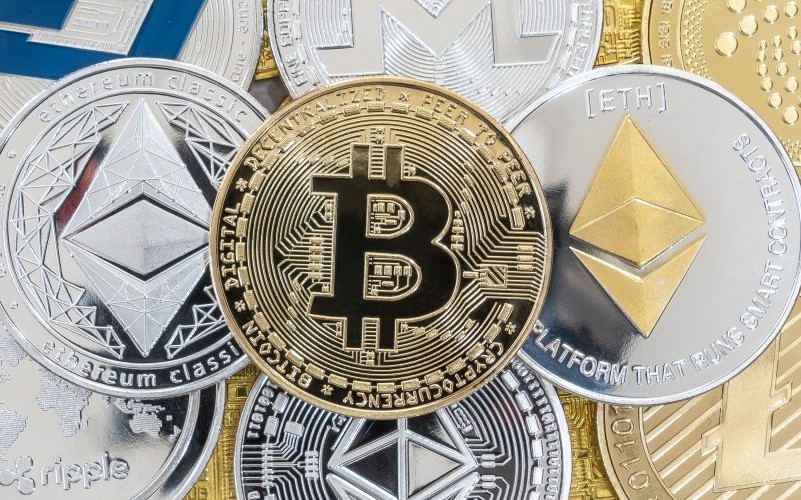
Bitcoin was the first, and best known, of the cryptocurrencies. There are now a over 4,000 of them … Tether, Ethereum, Dash, Ripple, LiteCoin and Monero to name just a few.
Is it the right price?
Like all markets, the right price is what someone else is prepared to pay for it.
But this digital token has no underlying foundation of value, so it’s near impossible to work out whether it’s over- or under-valued. It seems to simply be based on demand and supply.
If yes to all the above then do the deal.
While I sort of understand how they work, I’d have to say the rest of the answers to the ‘Buffett investment filter’ are all a “no”.
But cryptocurrency is a big talking point again in 2025, so it makes sense to look at where the market stands right now – no spruiking, no tribalism. Just the facts you need to make a sensible call for your situation.
Crypto in 2025:
Regulation is tightening – and institutions are back
After the chaos of exchange failures and ‘rug pulls’ a few years back, the crypto world has tried to grow up. Survivors have beefed up compliance, commissioned proof-of-reserves audits and lifted capital buffers. Regulation has also moved from hand-waving to rulebooks.
Europe’s MiCA framework is laying down clear standards for tokens and stablecoins, Hong Kong and Singapore now run licensing frameworks, plus the US has shifted to tougher enforcement but also a high-profile push to coordinate crypto policy out of Washington. That combination (guardrails plus legitimacy) has brought back the big end of town. More institutions now run crypto desks and pilot programs for tokenised assets.
Even the US President and the First Lady issued their own meme coins. They made hundreds of millions of dollars out of the deals … investors didn’t fare as well.
Crypto is a risky asset.
Prices are higher, products are broader
Prices tell the story. Bitcoin blasted through old highs earlier in the year on the back of heavy ETF inflows, then cooled as traders took profits and yields bobbed around.
Ethereum has enjoyed its own resurgence as more countries allow spot products and its network – now running on far less energy than in the past – anchors a lot of the plumbing behind decentralised finance. The overall market has broadened too, with tokenisation projects (bonds, real estate fractions and the like) bringing a more boring back-office flavour to what used to be an arena of pure speculation.
Central-bank digital currencies are part of the backdrop. They’re not the same thing as crypto, but the spread of digital euros and the ramp-up of China’s e-CNY are normalising digital wallets and instantaneous settlement. Such familiarity means it’s easier for mainstream users to experiment with stablecoins and, from there, sometimes venture even further into the market. Big brands are also putting blockchain to work in loyalty, ticketing and supply-chain verification. That’s not headline-grabbing stuff, but there’s a certain utility to it.
The core risks haven’t disappeared
None of this removes the risks. Volatility is still extreme and leverage is still a trap for new players. Plus, the sector hasn’t completely shaken off the reputational damage from 2022’s blow-ups. Scams and pump-and-dump schemes persist, usually dressed up in clever marketing. Regulation is clearer, but not uniform – a rule that applies to your broker in one jurisdiction probably won’t apply to the platform where your tokens actually sit.
So where does that leave everyday investors who want a snapshot – and maybe a small, disciplined allocation?
First, stick to what you understand, on platforms that are regulated where you live. If you want exposure without handling keys or wallets, local Exchange-Traded Funds are an easier entry point.
Second, cap your position size in a high-risk bucket you could afford to see swing wildly. Third, be meticulous about record-keeping and tax stuff. The ATO treats crypto disposals as capital-gains (or loss) events, so you need accurate cost bases and timestamps.
Finally? Never borrow to punt on this stuff. If you find yourself suddenly needing to get your money back, you’re already in too deep.
Quick cheat sheet for crypto in 2025:
- Bitcoin (BTC) is the oldest, most widely-held asset and the main beneficiary of ETF flows. Think ‘digital gold’ with high volatility.
- Ethereum (ETH) underpins a lot of smart-contract activity and has moved to a lower-energy model. Its investment case leans on network utility.
- Solana (SOL) is the high-throughput challenger that’s attracting lots of developers and retail buzz. It’s faster and cheaper, but comes with much higher execution risks.
My bottom line is unchanged
Crypto is risky but it seems it is here to stay and it’s maturing. Parts of it are even becoming useful. But it’s not a substitute for an emergency fund or holding a diversified mix of high-quality assets.
If you’re curious and disciplined? Then yes, a tiny allocation held through regulated channels can make sense. But if you’re chasing hot tips on social media or treating crypto as a shortcut to wealth? Then you’re playing a very old game with very modern marketing.